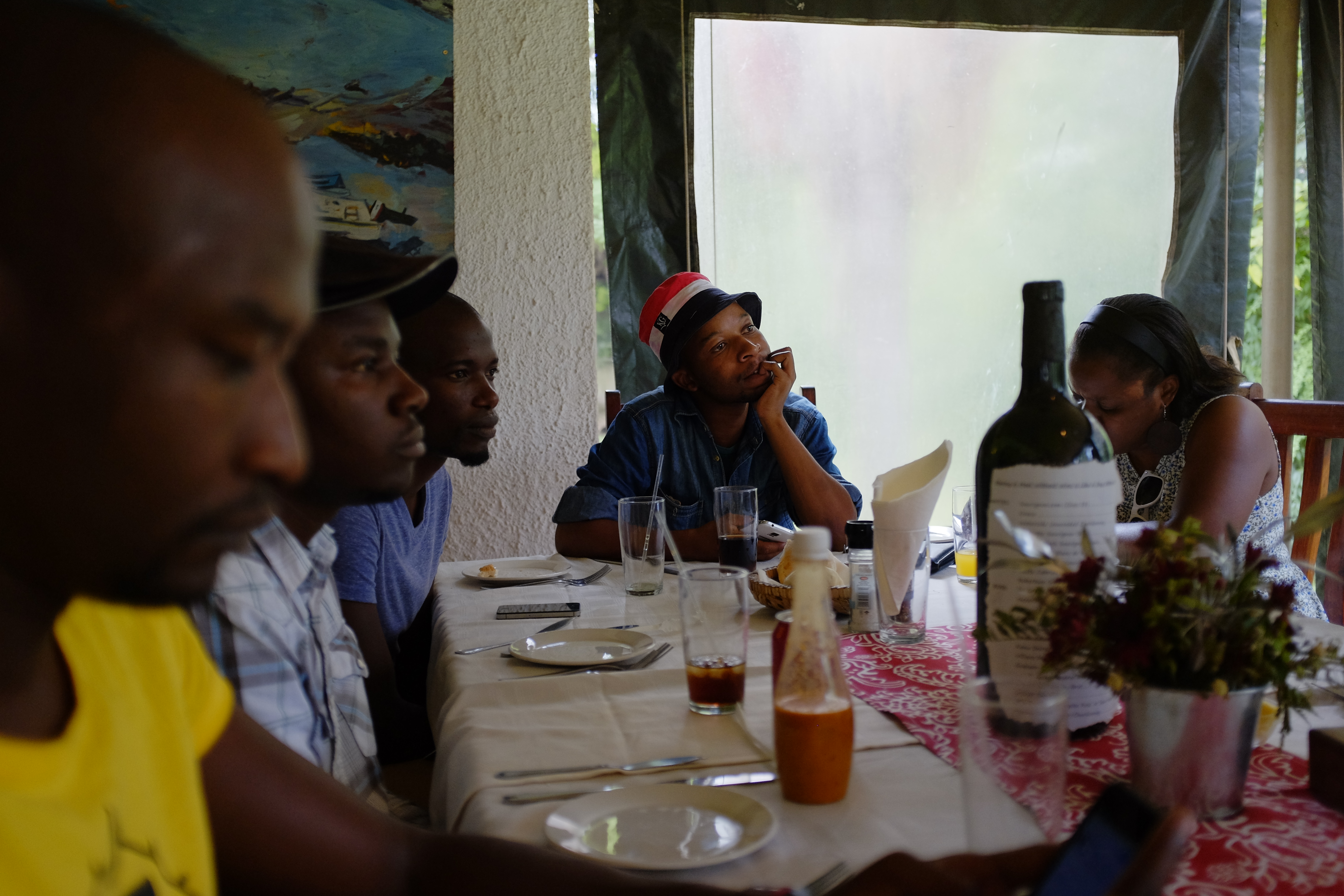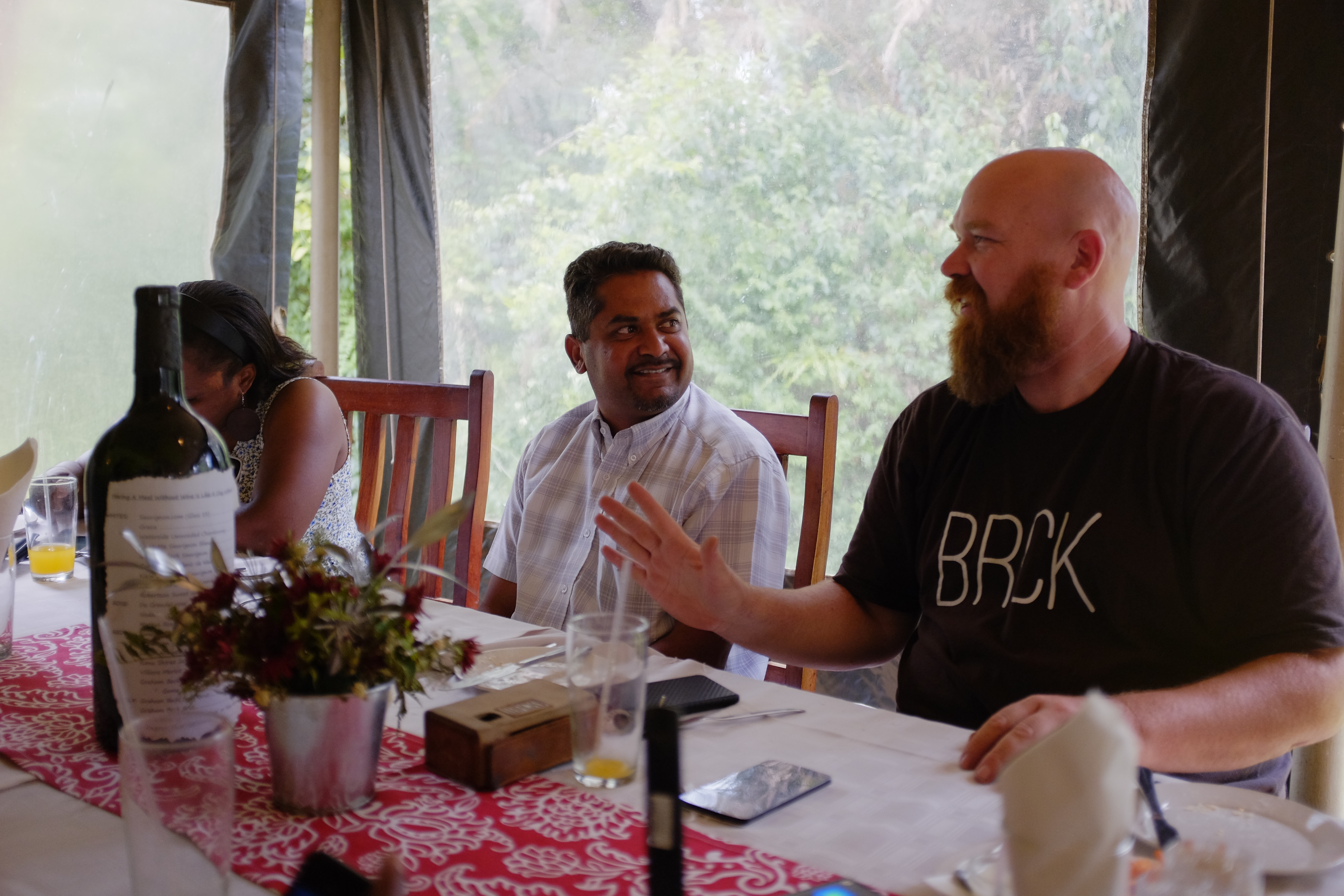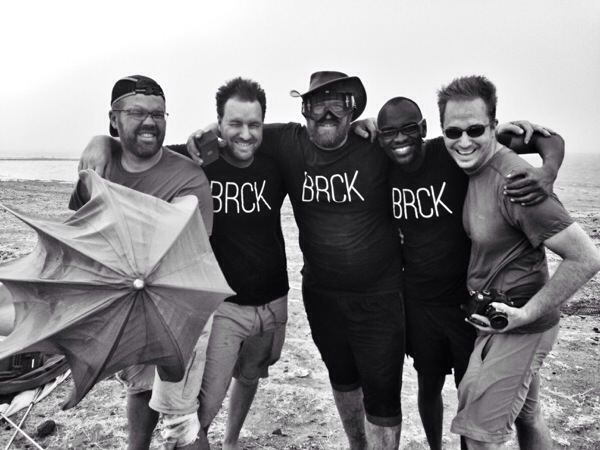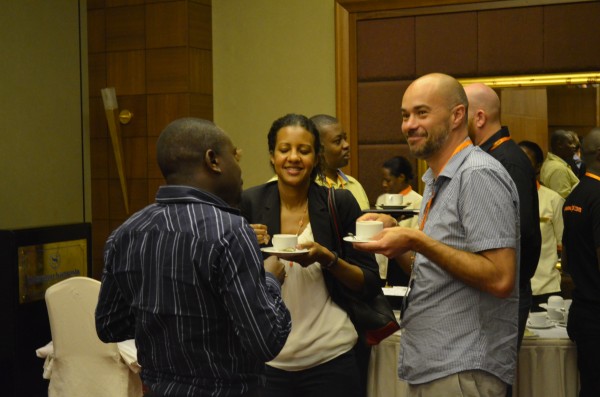
Carey Eaton, with Isis Nyongo and Mbwana Alliy at PivotEast last year
Carey Eaton was one of the true sparks of genius in Kenya’s tech ecosystem… in Africa’s.
“It is with great sadness and regret that we announce the untimely death of Kenyan businessman Carey Eaton, who passed away in tragic circumstances after an armed robbery at a friend’s home in Nairobi in the early hours of this morning.” (more)
Carey Eaton was a friend. He grew up here in Kenya, went to Hillcrest and then bounced back to Australia to eventually become the CIO of SEEK. Back in 2011, when the iHub was just one year old, he came ambling into the space and we grabbed a coffee together. Right away we hit it off, as he mixed deep business instincts and experience with a humble and generous spirit. He started telling me of his plans to take on the Kenyan classifieds markets, the same as he and his partners had done in Australia.
While others talked, he built. And build he did, creating an empire of classifieds websites in Kenya and Nigeria that no one could compete with.
In the years ahead, he would build the powerhouse Cheki brand to takeover the Kenyan vehicle classifieds space (and also Nigeria and 8 other countries), through a combination of persistence, intelligence and a deep understanding of what businesses need here. He also had great success with his job classifieds sites BrighterMonday and Jobberman, and then went on to see an acquisition by One Africa Media and his empire blossomed. Through all of this, he was fair and honest, humble and generous, traits sorely lacking in so many business leaders of our day.
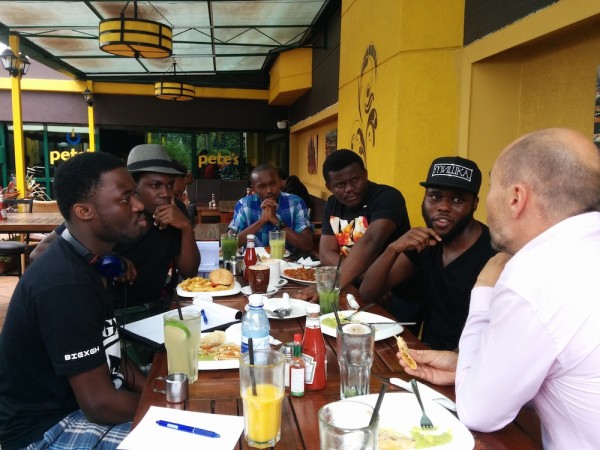
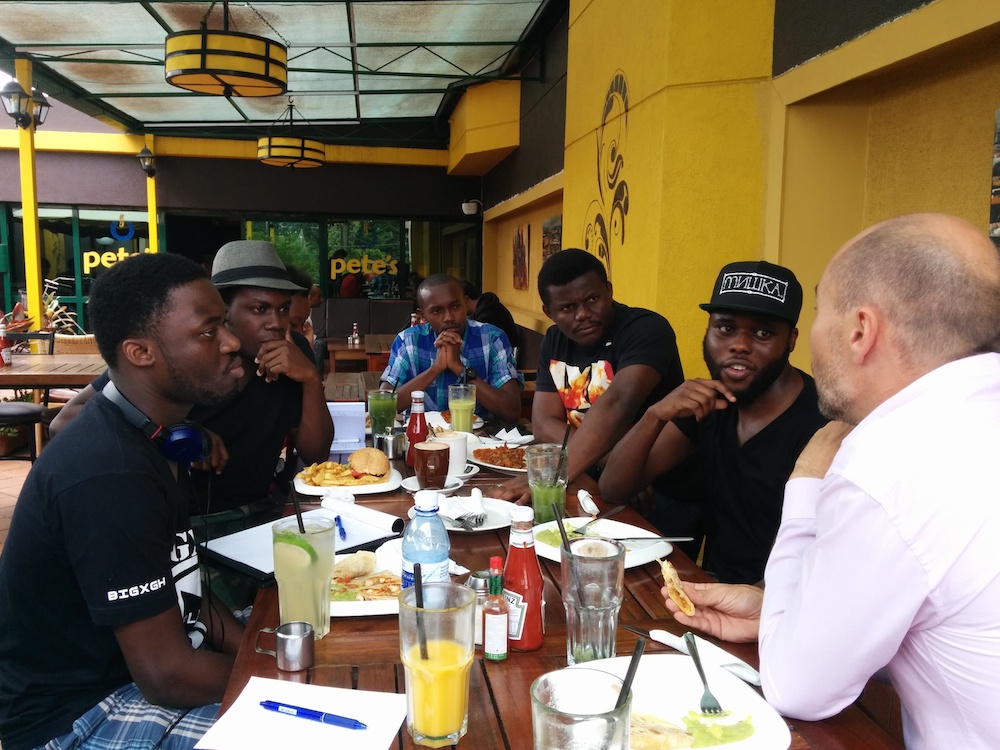
Carey Eaton sitting down with startups in Nairobi, passing on his experience and knowledge
All through this he would carve out hours of his time for younger entrepreneurs. He was a perennial presence at PivotEast, not just to see what was next, but to coach some of the new guys. Carey gave 2-3 hours of a day for each group of Savannah Fund startups. In fact, that’s where I last saw and talked to him, last week as he spent a few hours at Pete’s Coffee with the 3 companies currently in the program.
Carey was a friend and peer, someone I could call on to ask questions and think through hard problems with. Today I have that feeling of loss, that untethered feeling that one gets when something you’ve always expected to see and be with you is no longer present.
We’ve lost one of the anchors of the African tech community.
Tributes from others
If anyone else would like to add a remembrance, a tribute, to Carey send it to me and I’d be happy to add it here.
“Carey was a wonderful, supportive friend. Kind, gentle and oh so brilliant. that we have been robbed of his presence in our lives is an inconsolable loss.”
– Juliana Rotich, Ushahidi
“I could not sleep well last night knowing that we had lost such an inspiration and caring person in Africa.
Carey Eaton proved that with hard work, passion and big ambition you could build an Africa tech powerhouse. When I arrived moved back to East Africa , 2 years ago- one of the biggest challenges I had was to pick great mentors that could inspire young first time startups in the newly formed Savannah Fund Accelerator. Carey Eaton was quickly someone who not only agreed to give time, but often offered suggestions, he also always challenged widely held assumptions and made the sessions entertaining. Many of the startups’ thinking were radically improved in dimensions from hiring, marketplaces to business strategy as well as practical Africa startup tips. Carey Eaton played many roles in the Africa tech ecosystem, from mentor, board member to fearless executer of his business in Africa- a true role model of what is possible.
My last memory of him was hardly 2 weeks ago visiting his newly decorated Nairobi office where you might think you were walking into Silicon Valley’s best startup pads. Paul Bragiel, visiting partner from Silicon Valley, was amazed at the space. My last lunch with Carey was entertaining with important business lessons- like his expansion of Cheki car marketplace into Lagos’s biggest car lot and how he outwitted, not out only compete-ting his competitors. Carey’s unique brilliance crossed boundaries in Africa and that legacy will be greatly remembered by me and Savannah Fund.
RIP- Carey Eaton.”
– Mbwana Alliy, Savannah Fund
“As with everyone else, I was shocked and numbed to learn of Carey’s untimely and incomprehensible passing. I had spoken to him just the day before seeking advice on what to about a dodgy car purchase (of all things!) at a local dealer – we bantered for a while on consumer rights in Kenya (another sore topic), how One Africa Media was coming along and how my new baby was doing. In many ways it this brief conversation reminds me of a much longer one that we had sharing a 1-hour cab ride to the airport after Pivot East in Uganda last year. After spending two days together judging the latest ideas coming out of East Africa, we were invigorated by what we saw and spent the cab ride reflecting on how amazing it is to have the chance to play a role in building an industry. I learned a ton about his experiences in Australia, how he got Cheki off the ground, and how he raised capital to build One Media Africa. We talked a lot about his family and how he balances his life with frequent trips to see them and spend time with friends in Nanyuki. I remember getting on the plane impressed by not only how genuine, open and funny he was but also that he was a person living his life’s purpose. Not only was he making life better for thousands of people through One Media Africa’s products, but he was enjoying his life, spending time with the people he loved. You could feel that content and happiness in him – perhaps it’s the grace that many others have mentioned. Carey has been a generous mentor to me in my work and always reminds me that it’s certainly not everything. Pivot East is just around the corner and I still have not accepted that I won’t see his big grin there this time.”
– Isis Nyong’o Madison
“Carey was a board member at Kopo Kopo but more importantly he was a friend. He was someone with the guts, the spirit and the brains to guide Kopo Kopo through rough times and to keep Ben and I focused on the grander vision. His loss is personally devastating. I will do everything I can do ensure his spirit will remain and grow.
Carey was just getting started. Now, it’s on us to keep it going.”
– Dylan Higgins, Kopo Kopo
“Carey was one interesting guy – who always had a ready smile and would have a friendly chat for a few minutes (even as he tried to rememebr when we’d last met). When I last saw him at the launch of their new offices in Nairobi, he was very happy, and more so for the team who had worked hard to get the event and place set up.
Cheki is the site for which he’s known and it’s hands down the best web site for car sellers and buyers. When I seriously used it, it was timely – and whenever a new car was posted there, it was easy to find and the directions, and description matched. The Cheki team were responsive, they’d even call to ask how the car sale process was going and offer tips on how to improve the ads for better responses from buyers. Even two years since I last had to buy/sell a car, I’m still hooked to it and I’ve never deactivated my e-mail alert so I can still see the cool way they interact with car buyers & sellers.
I think I once asked him how I could contribute to the free Cheki site as it was so useful. He said they had put up a tiny “Donate via M-pesa” button on the Cheki site due to public demand, but clearly he had a bigger goal in mind than even building the largest online car marketplace site in East or West Africa.
Carey made running a business look effortless. Later he was part of an informal initiative that tried to help other tech entrepreneurs sort out the perennial challenge of accessing vital working capital on friendly terms.
My condolences to his family, and he is missed by many friends.
#RIPCarey
– Limo Taboi, @Bankelele
“I never met Carey Eaton in person but I interacted with him digitally.
With all the noise and hype about Silicon Savannahs, Carey was one of the few who actually walked the talk and built something of substance.
He once told me the success of Cheki was not the website – a website is just a window into a business.
That is the sort of thinking that led him to scale heights where it was not known that there were heights to scale.
The list of visionaries I admire is a short one, and Carey was the head of that list.
A luta continua, good sir.
Rest easy
#RIPCarey”
– Conrad Akunga, Innova
“There are too many things I could say in praise of Carey. More than I could write here. He was a super generous guy. He had a true sense of passion and purpose for technology and Kenya that was simply inspiring and infectious. What Carey accomplished through his technology businesses in Africa over the last 5 years or so is mind blowing. Where many talk, Carey just did it. Pragmatic and effective execution seemed to be his domain. As a friend I knew from my high school days over 20 years ago in Nairobi I will miss him. May he rest in peace.”
– Moses Kemibaro (also see his blog post on Carey)
“I felt horrid when Carey’s mum told me about his untimely death! More mad about why they would rake a way a brilliant, easy going and fun loving Carey. I first knew Carey when I was a kid, my parents and his parents were then fellow leaders in the Nairobi Baptist church of which his dad Michael Eaton was one of the founding pastors. Later, when my husband and I moved to Australia, I would attend his wedding (small and family centered with his friends) and later re-meet in Kenya when I returned before him and he followed later.
He always knew what he wanted to do. I remember asking him about visiting iHub and mLab and everything else that was getting out on ICT in Kenya. He was passionate, easy going and had no airs. The Carey I will miss was someone who always willing to share. He loved his family and always spoke to his kids on skype if he was not with them. I miss him, and am mad at our ruthless Kenyans who won’t work hard but instead steal others thunder. Carey, you will be missed, but I know you even with all you had achieved, you had found rest high above in God. May we even here remember there is life in Christ. God bless.”
– Dr. Monica Kerretts Makau
“I met Carey through an introduction by Erik. At the time we were a bunch of tech entrepreneurs in Nairobi trying to set up an informal network to help each others business weather the storms and make it. Carey had a ready smile and a hunger to know what your business was up to and how he could help.
We talked about our ventures and I remember his insights on Cheki, Brighter Monday and Jobberman. He reminded me of the magic of the web. And how we all keep chasing it and trying to make it. He had successfully navigated the earlier stages of the journey, and a bright future was in store for him and his ventures. His passing has robbed us of a tech leading light in Africa. We have to keep going on. Rest in peace brother. You will be missed.”
– Joshua Wanyama, Pamoja Media
“Carey was the true embodiment described in “The Man in the Arena”. It was such an honour to meet such a smart, energetic, fun guy who made everything look easy.Carey forever will be with those he affected the most, and his family will be in our thoughts and prayers.”
– Kahenya, Able Wireless
“It is with great sadness that I find myself writing here, not only have we lost a brilliant man who was taken too soon, but also a genuine friend to so many of us.
My first encounter with him was in 2012. We had just launched buyrentkenya.com and he dropped me an email asking if I was interested in meeting up. He had a genuine interest in what we were doing and was ever ready to offer advice and guidance. He continued to check in with us as we grew, and when the opportunity arose to join One Africa Media, knowing that Carey was there made the decision very easy.
As a young entrepreneur every conversation with Carey was priceless. You would leave every meeting feeling more focused and confident. He had an innate gift of conveying his immense knowledge and business acumen through his warm and friendly persona.
May you rest in peace Carey. Thank you for all you taught us. For the laughs and the jokes. The advice and the guidance. We miss you and hope we make you proud when we finish the work you started.
#ripcarey”
– Jamie Pujara, BuyRentKenya
“I feel very privileged (and a bit unworthy) of the time I got to spend with Carey in both a professional and personal capacity through the last few years. What an absurdly fantastic father, captain, friend, CEO, brother, colleague, inspiration, human. He was all of these things and more, and my favorite part of Carey was that he was wonderfully frustrating. He would answer my questions before I even had a chance to ask and continually ask me “but why?” when I announced that I was certain I had finally uncovered the real problem. He would come back from business trips with new best friends, new companies, and tales of clever offensive strikes against competitors. He would invest time he clearly didn’t have into me — into all of us. The thing I admired most about Carey was that he was raw and real and made no apologies for who he was, but always admitted his failures. I hope we can all help Carey live on through us.”
– Jess Shorland, Cheki
“I have been too shocked to say anything until now.
Many have talked about Carey’s intelligence, warmth and humility. About his tremendous professional success, and his passion for Kenya and Africa. About the mentorship role that he played for the entire Nairobi tech community. And he was all that for me too, for sure.
In our last conversation, just a few hours before that gun shot, I had told him I wanted to discuss some business items with him. “Go ahead”, he said. “I will when I see you”, I responded.
We were supposed to have dinner that night.
We would have talked about business, yes. And I might have made some big decisions based almost solely on his advice – that’s how much I trusted it. But from our first meeting, it had not really been about work. We had recognized each other: we were of the same tribe. Adventurers, restless travelers, risk takers, creative thinkers. We had found each other.
It’s sometimes hard – impossible even – to talk about my life as a nomad entrepreneur to some of my oldest friends. It is so strange really, hopping from city to city trying to get your business off the ground, away from your family or things that might tether you to the ground. But at the same time it is so exhilarating to be living exactly the life you want, when so many people have compromised on their dreams. Sometimes you are so obscenely happy that you don’t dare tell anyone. Carey and I shared that feeling, and the relief to have found a partner in crime.
We used to talk about what we wanted to do once we’d be able to step aside from our day-to-day, sometimes prosaic and often stressful, empire-building responsibilities. The places we wanted to go, a specific restaurant we wanted to visit together in Italy. And also about love and relationships and all these things that have absolutely nothing to do with work.
He could read my mind – which is why, even if there are many things I was not in a hurry to tell him because I was expecting our friendship to last forever, I think that he already knew.
Carey had a crazy life. His achievements are well known. The tragedies he had to endure, a lot less. Nothing he did was boring or average or pedestrian. Even in death, he surprised us all. And as someone who believes that we should all thrive to make our own life the most exciting story we’ve ever heard, I can certainly say that he succeeded.”
– Marie Lora-Mungai, Buni TV
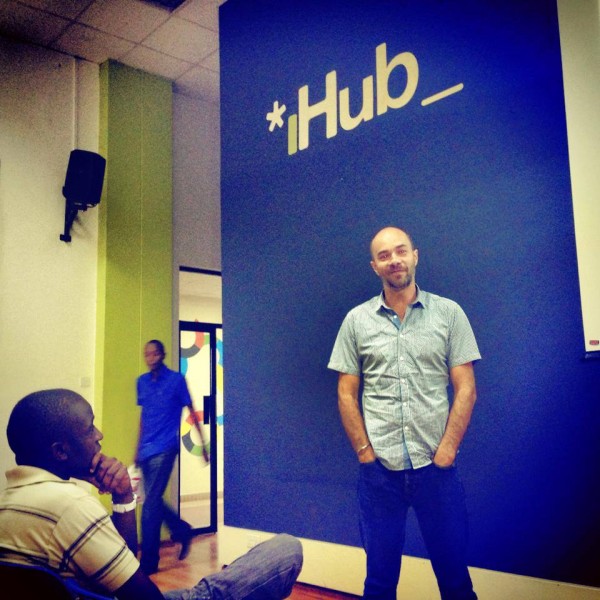
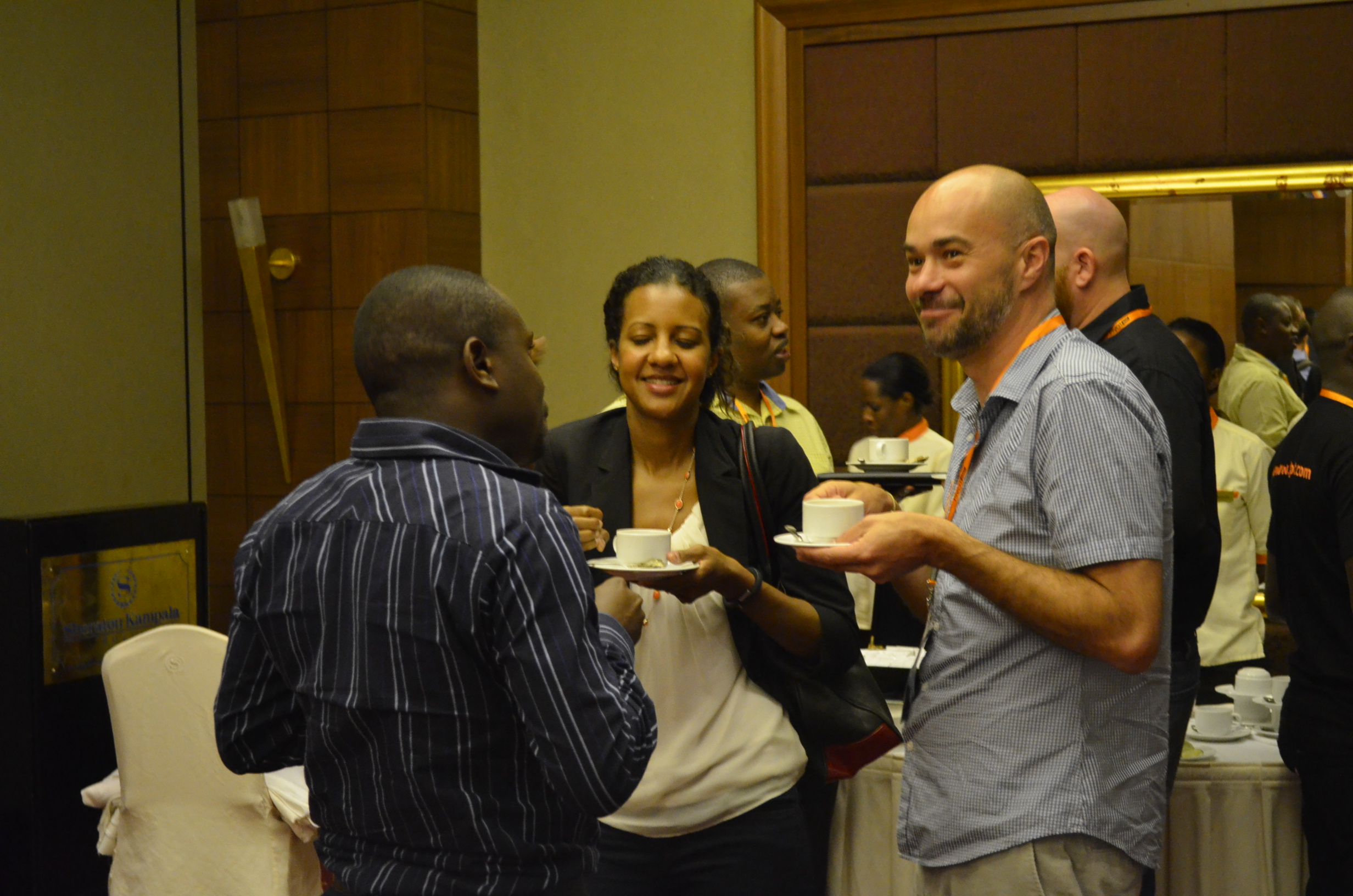
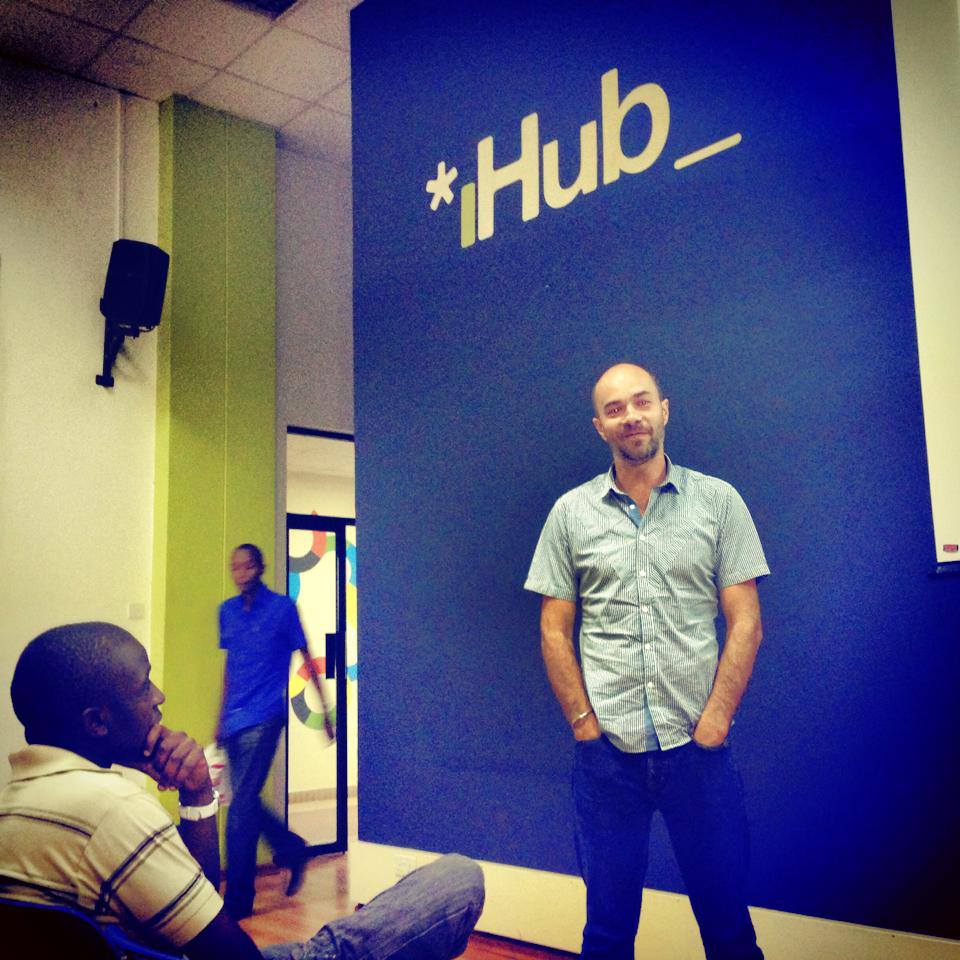
Carey Eaton at the iHub, a regular
(As much as I’m sad, I’m also angry about his murder. This type of violence only happens because of an endemic corruption in the gov’t (That’s from President Kenyatta to the Nairobi Governor and down), a ridiculously low-paid police force, and a basic “shrug your shoulders” culture of tolerance for crime at all levels. But, this isn’t the time to go deep into that, it’s a time to remember Carey for who he was.)