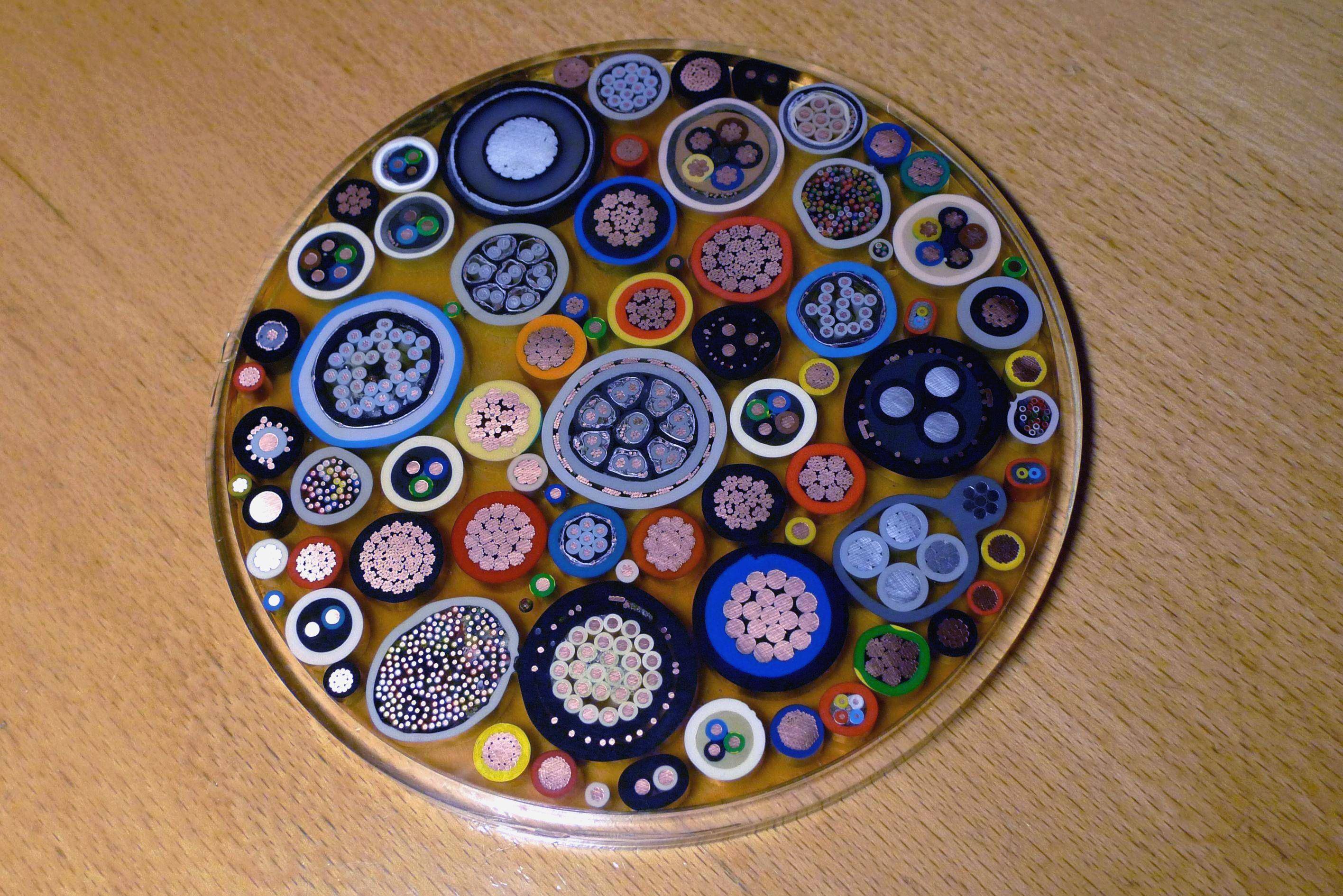
One grouping is starups, another is investors, another is large tech companies, and yet another is researchers. There are bloggers, digital creatives, visiting techies, SME leaders who’ve learned their lessons, and freelancers moonlighting from their day jobs. It’s a big mixed bag and we all together form an ecosystem. A healthy ecosystem is where all of the sub-cable systems are functioning well and there are no cuts.
Moving beyond the cable metaphor, a healthy tech ecosystem is where the different parties are able to and want to work together. Where each is happy to see the other do well and will go out of their way to help make connections and bring others forwards with themselves.
]]>
A 4am wake-up and we were traveling and at the border by 7:30am the next morning.
Beit Bridge Border
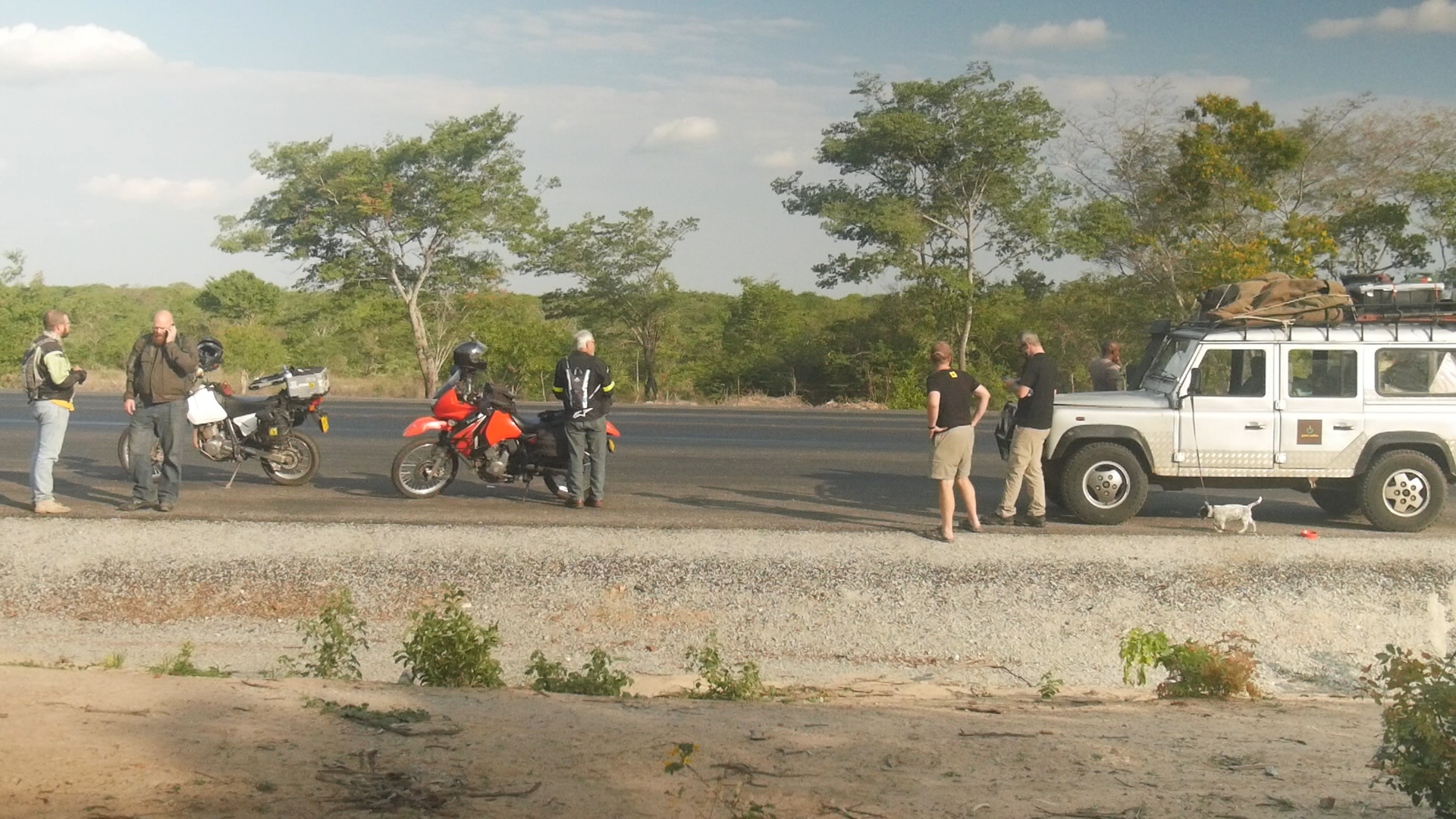
Beit Bridge border crossing is something of a legend, where you’re usual transit time is 3-5 hours, but can take up to 7-8 if you’re unlucky. The SA side was fine, taking only 20 minutes or so. We then spent the next 3 hours going through the ridiculously disorganized and obtuse Zimbabwe side, until finally we popped free.

Zimbabwean Clampetts
Border crossings in Africa make you realize that they’re about revenue generation, not security.

Beit Bridge border crossing procedure
Zimbabwe has thin but good roads, and many (15+) police checks and radar guns along the way to Harare. They really do try to stop you We got in at 9:30pm and slept almost immediately.
Hypercube and the Zim Tech Community
Today we spend with the tech community here, with leaders from the different tech hubs in Bulawayo as well as Harare.
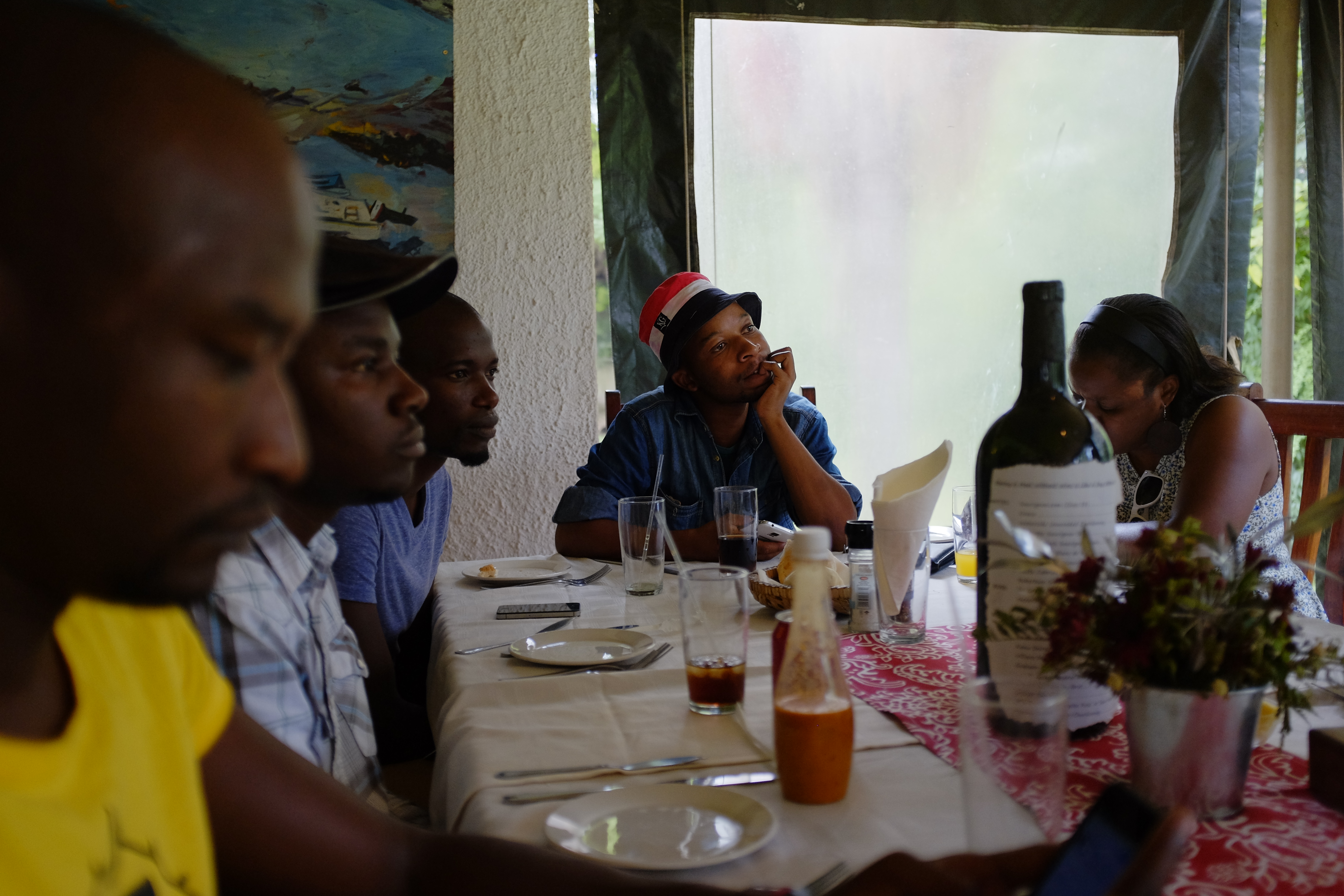
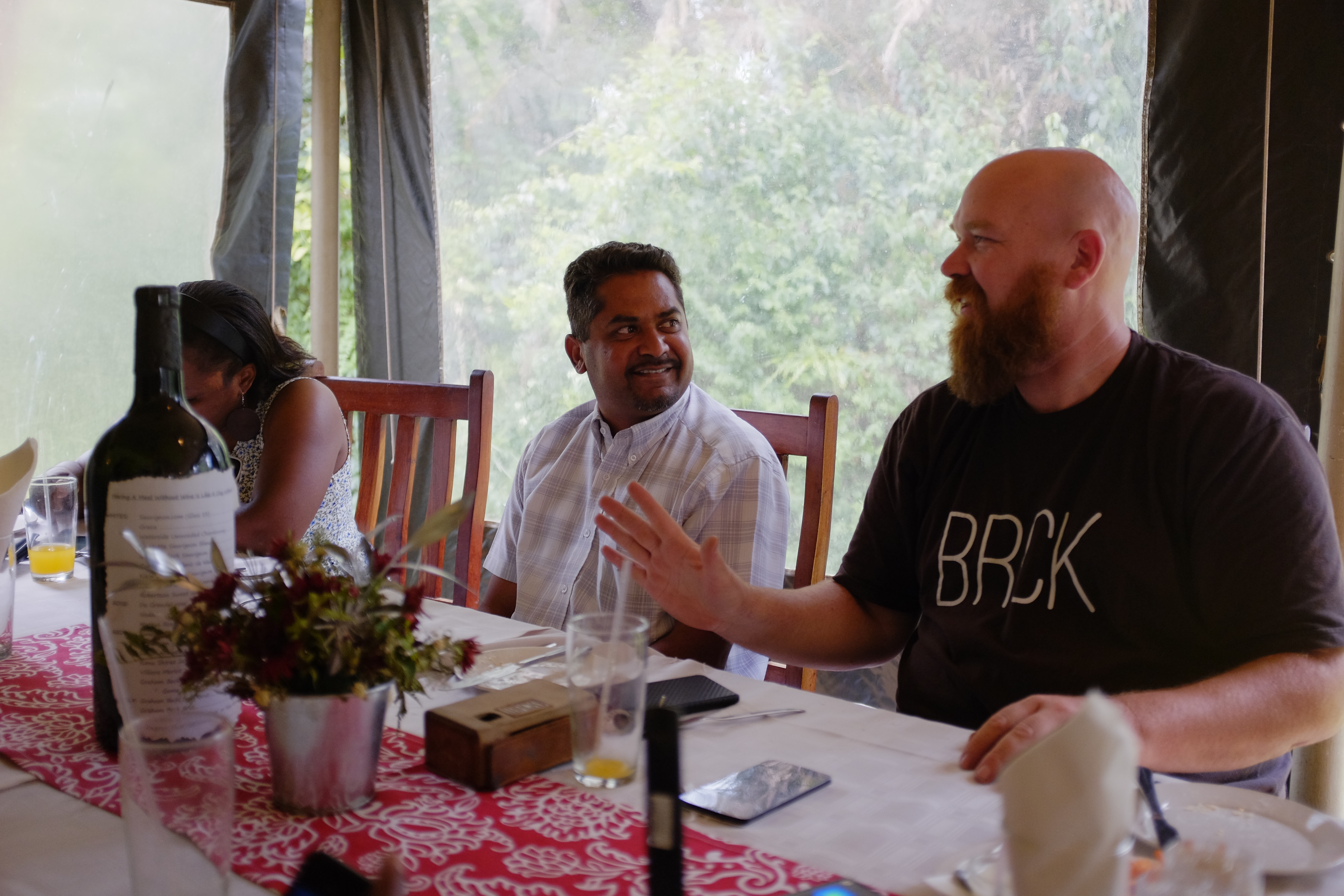
Lunch with tech leaders in Zimbabwe
The Tech Hubs:
@HypercubeHub
@myarea46
@MuzindaHub
@emergingideas
@Neolabtech (Bulawayo)
The most advanced one seems to be Hypercube, which has an amazing house that has been converted into a nice space. They hosted an event where I talked at length about building tech communities, startup thoughts, and what we’ve learned about building hardware through the BRCK experience.
Overall, I really like Zimbabwe and the tech community seems to have their heads and hearts in the right place. They’re working together to try to make something out of a hard situation, they’re hungry and they’re bright.
Zimbabwe has the core infrastructure necessary for real growth, and with a few changes in the business climate here I think they’re ready to take off. With their current drive and strong foundation, I think they’ve got a bright future ahead.
]]>The Coffee Man
Pete Owiti is a coffee connoisseur, he learned the trade back in the late 90’s as one of Java House Nairobi’s earliest baristas, became one of the best in Kenya, winning global barista competitions and then went to the US and Canada to do even more coffee training and serving. When I moved back to Kenya in 2009 to get the iHub going, we wanted a coffee bar in the space. I put out a call for proposals, and he was one of three that responded. By that time he had moved on from just serving coffee, to a business where he trained all of the baristas for both Java House and Dormans (the top two coffee houses in Kenya at the time).
There was no doubt who was the most qualified to run the iHub coffee bar, he was far and away the winner. Since then, Pete’s Coffee has gone from strength-to-strength, culminating in the Pete’s Cafe on the ground floor of the building that does an amazing amount of business.
Still today, you can find Pete doing the hard work, cleaning up, taking orders, making coffee – alongside his wife Christabel (who works harder than anyone else I know). Yes, there are employees now, but he still gets his hands dirty.
Read more about him on this profile piece (with video).
From the Village to the City
One of my favorite entrepreneurs in Kenya is also another good friend, she sits on the iHub Advisory Board, and is someone I go to for advice all the time. Rebecca Wanjiku started life in a village on the outskirts of Nairobi, with little to her name beyond a work ethic and drive to succeed. She worked her way into journalism, realized there was a gap in tech journalism in the region, educated herself by reading everything she could on every topic around the internet, and became the go-to tech journalist for many years. She’s flown around the world to cover major internet and tech events to bring an African perspective to the news. Still, today, she writes hard-hitting pieces for different magazines and on her own blog.
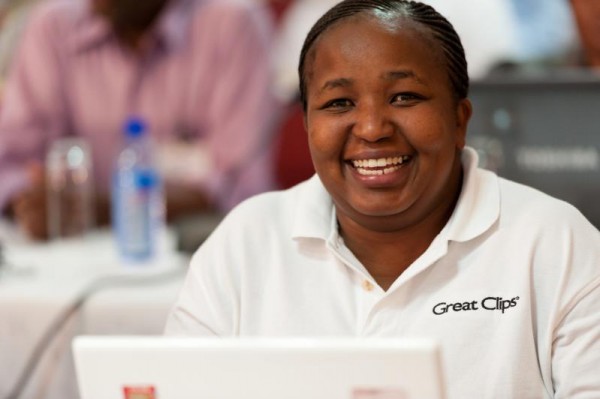
Becky didn’t make it because of a benefactor, she made it because of her own hard work and drive. Today she has a networking company that wires up buildings and people’s homes with internet connectivity, Fireside Communications, that has seen great success and continues to hire, and has even built a retail outlet in Westlands.
“Kazi ya Mkono” as a culture
I recently had someone who works with me complain about being given “Kazi ya Mkono” (aka, KYM) jobs (which is a term for “work of the hands” and is often used as a derogatory term for manual labor). I was stunned. Did this person not understand that I still get my hands dirty and build stuff? That I still run errands myself? That nothing gets built if you aren’t also willing to get down to do the hard work yourself?
It reminded me of a conversation I had with Becky Wanjiku earlier in the year, where she was complaining about graduates with university degrees and how unemployable they are in Kenya. They come out thinking that they’re “management material” and won’t do hard things. She tried to hire someone straight out of university for a networking job, and he refused to climb a ladder to install a WiMax solution.
Simply put, most of Kenya’s university graduates are not hungry enough. I see it when I look at the people we interview for positions at my companies. I see it when I mentor startups, where the CEO wants a business card that says that, and a desk, but won’t leave that desk to get his feet dirty knocking on doors. They don’t know that hustling isn’t just what you say to get work, business or jobs, but doing the actual work too.
Some of the best people I’ve had the honor to work with come with no degrees. They’re hungry. They hustle. They make up for their lack of training by educating themselves, watching, learning – but most importantly, trying. They will do whatever it takes to get that job done.
This attitude towards Kazi ya Mkono is a cancer in our system. It’s an unearned, entitlement mentality that is disturbing to see in anyone, but especially in 23-year old recent grads.
Hard work is something that shouldn’t be looked down upon, whether in a kiosk owner, a road sweeper, a barista or a coder. Yes, try to do it “smarter, not harder”, but still dig in and get your hands in there.
Not all jobs are manual. However, all companies are built on hard work. I hope that we’re not losing this thread in our community.
Bonus Content
Emeka Okafor just pointed me toward this great article, “Kenya’s Over-educated and Unemployable youth“.
No one says it better that Mike Rowe of “Dirty Jobs” fame. Besides the video below, read his response to a fan.
]]>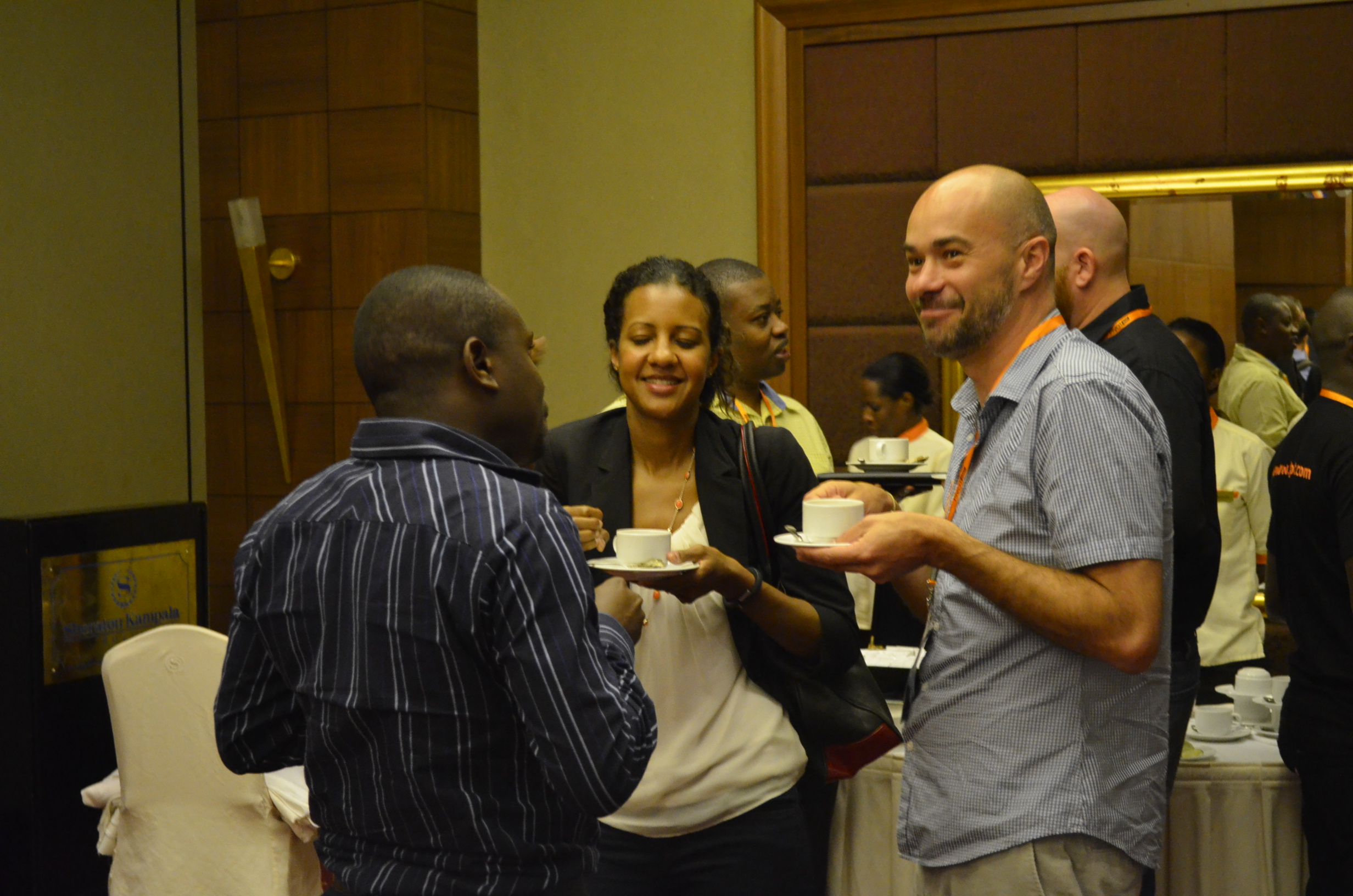
Carey Eaton, with Isis Nyongo and Mbwana Alliy at PivotEast last year
Carey Eaton was one of the true sparks of genius in Kenya’s tech ecosystem… in Africa’s.
“It is with great sadness and regret that we announce the untimely death of Kenyan businessman Carey Eaton, who passed away in tragic circumstances after an armed robbery at a friend’s home in Nairobi in the early hours of this morning.” (more)
Carey Eaton was a friend. He grew up here in Kenya, went to Hillcrest and then bounced back to Australia to eventually become the CIO of SEEK. Back in 2011, when the iHub was just one year old, he came ambling into the space and we grabbed a coffee together. Right away we hit it off, as he mixed deep business instincts and experience with a humble and generous spirit. He started telling me of his plans to take on the Kenyan classifieds markets, the same as he and his partners had done in Australia.
While others talked, he built. And build he did, creating an empire of classifieds websites in Kenya and Nigeria that no one could compete with.
In the years ahead, he would build the powerhouse Cheki brand to takeover the Kenyan vehicle classifieds space (and also Nigeria and 8 other countries), through a combination of persistence, intelligence and a deep understanding of what businesses need here. He also had great success with his job classifieds sites BrighterMonday and Jobberman, and then went on to see an acquisition by One Africa Media and his empire blossomed. Through all of this, he was fair and honest, humble and generous, traits sorely lacking in so many business leaders of our day.
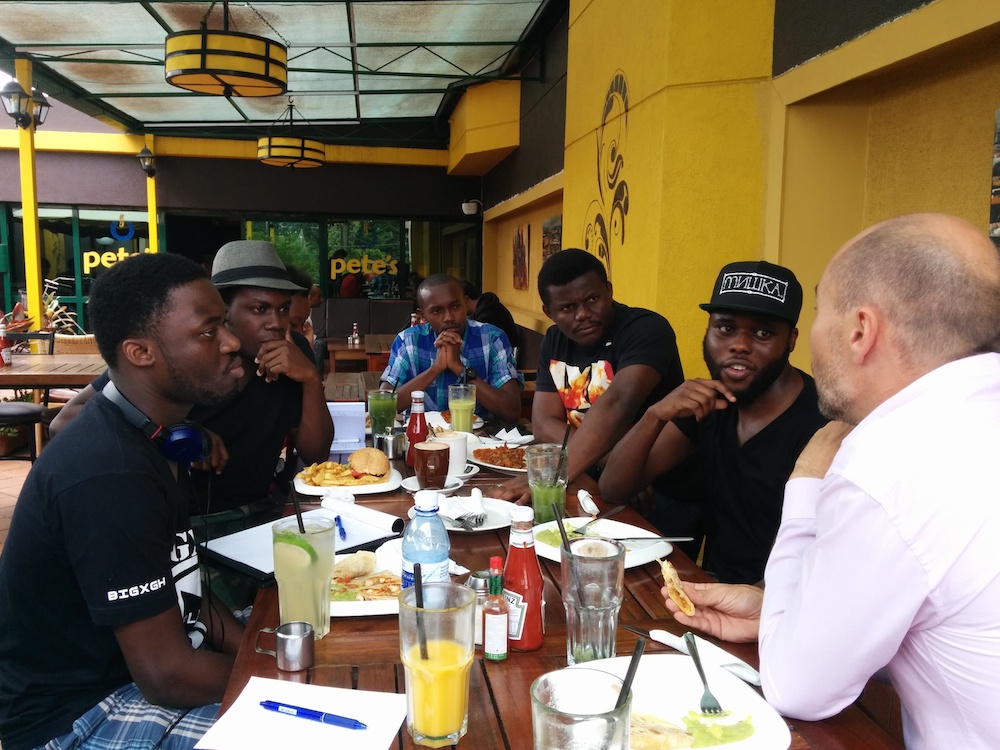
Carey Eaton sitting down with startups in Nairobi, passing on his experience and knowledge
All through this he would carve out hours of his time for younger entrepreneurs. He was a perennial presence at PivotEast, not just to see what was next, but to coach some of the new guys. Carey gave 2-3 hours of a day for each group of Savannah Fund startups. In fact, that’s where I last saw and talked to him, last week as he spent a few hours at Pete’s Coffee with the 3 companies currently in the program.
Carey was a friend and peer, someone I could call on to ask questions and think through hard problems with. Today I have that feeling of loss, that untethered feeling that one gets when something you’ve always expected to see and be with you is no longer present.
We’ve lost one of the anchors of the African tech community.
Tributes from others
If anyone else would like to add a remembrance, a tribute, to Carey send it to me and I’d be happy to add it here.
- Blog post by Moses Kemibaro
- Blog post by Savannah Fund
- Article on FT.com
- Blog post by Odipa Riaga
“Carey was a wonderful, supportive friend. Kind, gentle and oh so brilliant. that we have been robbed of his presence in our lives is an inconsolable loss.”
– Juliana Rotich, Ushahidi
“I could not sleep well last night knowing that we had lost such an inspiration and caring person in Africa.
Carey Eaton proved that with hard work, passion and big ambition you could build an Africa tech powerhouse. When I arrived moved back to East Africa , 2 years ago- one of the biggest challenges I had was to pick great mentors that could inspire young first time startups in the newly formed Savannah Fund Accelerator. Carey Eaton was quickly someone who not only agreed to give time, but often offered suggestions, he also always challenged widely held assumptions and made the sessions entertaining. Many of the startups’ thinking were radically improved in dimensions from hiring, marketplaces to business strategy as well as practical Africa startup tips. Carey Eaton played many roles in the Africa tech ecosystem, from mentor, board member to fearless executer of his business in Africa- a true role model of what is possible.
My last memory of him was hardly 2 weeks ago visiting his newly decorated Nairobi office where you might think you were walking into Silicon Valley’s best startup pads. Paul Bragiel, visiting partner from Silicon Valley, was amazed at the space. My last lunch with Carey was entertaining with important business lessons- like his expansion of Cheki car marketplace into Lagos’s biggest car lot and how he outwitted, not out only compete-ting his competitors. Carey’s unique brilliance crossed boundaries in Africa and that legacy will be greatly remembered by me and Savannah Fund.
RIP- Carey Eaton.”
– Mbwana Alliy, Savannah Fund
“As with everyone else, I was shocked and numbed to learn of Carey’s untimely and incomprehensible passing. I had spoken to him just the day before seeking advice on what to about a dodgy car purchase (of all things!) at a local dealer – we bantered for a while on consumer rights in Kenya (another sore topic), how One Africa Media was coming along and how my new baby was doing. In many ways it this brief conversation reminds me of a much longer one that we had sharing a 1-hour cab ride to the airport after Pivot East in Uganda last year. After spending two days together judging the latest ideas coming out of East Africa, we were invigorated by what we saw and spent the cab ride reflecting on how amazing it is to have the chance to play a role in building an industry. I learned a ton about his experiences in Australia, how he got Cheki off the ground, and how he raised capital to build One Media Africa. We talked a lot about his family and how he balances his life with frequent trips to see them and spend time with friends in Nanyuki. I remember getting on the plane impressed by not only how genuine, open and funny he was but also that he was a person living his life’s purpose. Not only was he making life better for thousands of people through One Media Africa’s products, but he was enjoying his life, spending time with the people he loved. You could feel that content and happiness in him – perhaps it’s the grace that many others have mentioned. Carey has been a generous mentor to me in my work and always reminds me that it’s certainly not everything. Pivot East is just around the corner and I still have not accepted that I won’t see his big grin there this time.”
– Isis Nyong’o Madison
“Carey was a board member at Kopo Kopo but more importantly he was a friend. He was someone with the guts, the spirit and the brains to guide Kopo Kopo through rough times and to keep Ben and I focused on the grander vision. His loss is personally devastating. I will do everything I can do ensure his spirit will remain and grow.
Carey was just getting started. Now, it’s on us to keep it going.”
– Dylan Higgins, Kopo Kopo
“Carey was one interesting guy – who always had a ready smile and would have a friendly chat for a few minutes (even as he tried to rememebr when we’d last met). When I last saw him at the launch of their new offices in Nairobi, he was very happy, and more so for the team who had worked hard to get the event and place set up.
Cheki is the site for which he’s known and it’s hands down the best web site for car sellers and buyers. When I seriously used it, it was timely – and whenever a new car was posted there, it was easy to find and the directions, and description matched. The Cheki team were responsive, they’d even call to ask how the car sale process was going and offer tips on how to improve the ads for better responses from buyers. Even two years since I last had to buy/sell a car, I’m still hooked to it and I’ve never deactivated my e-mail alert so I can still see the cool way they interact with car buyers & sellers.
I think I once asked him how I could contribute to the free Cheki site as it was so useful. He said they had put up a tiny “Donate via M-pesa” button on the Cheki site due to public demand, but clearly he had a bigger goal in mind than even building the largest online car marketplace site in East or West Africa.
Carey made running a business look effortless. Later he was part of an informal initiative that tried to help other tech entrepreneurs sort out the perennial challenge of accessing vital working capital on friendly terms.
My condolences to his family, and he is missed by many friends.
#RIPCarey
– Limo Taboi, @Bankelele
“I never met Carey Eaton in person but I interacted with him digitally.
With all the noise and hype about Silicon Savannahs, Carey was one of the few who actually walked the talk and built something of substance.
He once told me the success of Cheki was not the website – a website is just a window into a business.
That is the sort of thinking that led him to scale heights where it was not known that there were heights to scale.
The list of visionaries I admire is a short one, and Carey was the head of that list.
A luta continua, good sir.
Rest easy
#RIPCarey”
– Conrad Akunga, Innova
“There are too many things I could say in praise of Carey. More than I could write here. He was a super generous guy. He had a true sense of passion and purpose for technology and Kenya that was simply inspiring and infectious. What Carey accomplished through his technology businesses in Africa over the last 5 years or so is mind blowing. Where many talk, Carey just did it. Pragmatic and effective execution seemed to be his domain. As a friend I knew from my high school days over 20 years ago in Nairobi I will miss him. May he rest in peace.”
– Moses Kemibaro (also see his blog post on Carey)
“I felt horrid when Carey’s mum told me about his untimely death! More mad about why they would rake a way a brilliant, easy going and fun loving Carey. I first knew Carey when I was a kid, my parents and his parents were then fellow leaders in the Nairobi Baptist church of which his dad Michael Eaton was one of the founding pastors. Later, when my husband and I moved to Australia, I would attend his wedding (small and family centered with his friends) and later re-meet in Kenya when I returned before him and he followed later.
He always knew what he wanted to do. I remember asking him about visiting iHub and mLab and everything else that was getting out on ICT in Kenya. He was passionate, easy going and had no airs. The Carey I will miss was someone who always willing to share. He loved his family and always spoke to his kids on skype if he was not with them. I miss him, and am mad at our ruthless Kenyans who won’t work hard but instead steal others thunder. Carey, you will be missed, but I know you even with all you had achieved, you had found rest high above in God. May we even here remember there is life in Christ. God bless.”
– Dr. Monica Kerretts Makau
“I met Carey through an introduction by Erik. At the time we were a bunch of tech entrepreneurs in Nairobi trying to set up an informal network to help each others business weather the storms and make it. Carey had a ready smile and a hunger to know what your business was up to and how he could help.
We talked about our ventures and I remember his insights on Cheki, Brighter Monday and Jobberman. He reminded me of the magic of the web. And how we all keep chasing it and trying to make it. He had successfully navigated the earlier stages of the journey, and a bright future was in store for him and his ventures. His passing has robbed us of a tech leading light in Africa. We have to keep going on. Rest in peace brother. You will be missed.”
– Joshua Wanyama, Pamoja Media
“Carey was the true embodiment described in “The Man in the Arena”. It was such an honour to meet such a smart, energetic, fun guy who made everything look easy.Carey forever will be with those he affected the most, and his family will be in our thoughts and prayers.”
– Kahenya, Able Wireless
“It is with great sadness that I find myself writing here, not only have we lost a brilliant man who was taken too soon, but also a genuine friend to so many of us.
My first encounter with him was in 2012. We had just launched buyrentkenya.com and he dropped me an email asking if I was interested in meeting up. He had a genuine interest in what we were doing and was ever ready to offer advice and guidance. He continued to check in with us as we grew, and when the opportunity arose to join One Africa Media, knowing that Carey was there made the decision very easy.
As a young entrepreneur every conversation with Carey was priceless. You would leave every meeting feeling more focused and confident. He had an innate gift of conveying his immense knowledge and business acumen through his warm and friendly persona.
May you rest in peace Carey. Thank you for all you taught us. For the laughs and the jokes. The advice and the guidance. We miss you and hope we make you proud when we finish the work you started.
#ripcarey”
– Jamie Pujara, BuyRentKenya
“I feel very privileged (and a bit unworthy) of the time I got to spend with Carey in both a professional and personal capacity through the last few years. What an absurdly fantastic father, captain, friend, CEO, brother, colleague, inspiration, human. He was all of these things and more, and my favorite part of Carey was that he was wonderfully frustrating. He would answer my questions before I even had a chance to ask and continually ask me “but why?” when I announced that I was certain I had finally uncovered the real problem. He would come back from business trips with new best friends, new companies, and tales of clever offensive strikes against competitors. He would invest time he clearly didn’t have into me — into all of us. The thing I admired most about Carey was that he was raw and real and made no apologies for who he was, but always admitted his failures. I hope we can all help Carey live on through us.”
– Jess Shorland, Cheki
“I have been too shocked to say anything until now.
Many have talked about Carey’s intelligence, warmth and humility. About his tremendous professional success, and his passion for Kenya and Africa. About the mentorship role that he played for the entire Nairobi tech community. And he was all that for me too, for sure.
In our last conversation, just a few hours before that gun shot, I had told him I wanted to discuss some business items with him. “Go ahead”, he said. “I will when I see you”, I responded.
We were supposed to have dinner that night.
We would have talked about business, yes. And I might have made some big decisions based almost solely on his advice – that’s how much I trusted it. But from our first meeting, it had not really been about work. We had recognized each other: we were of the same tribe. Adventurers, restless travelers, risk takers, creative thinkers. We had found each other.
It’s sometimes hard – impossible even – to talk about my life as a nomad entrepreneur to some of my oldest friends. It is so strange really, hopping from city to city trying to get your business off the ground, away from your family or things that might tether you to the ground. But at the same time it is so exhilarating to be living exactly the life you want, when so many people have compromised on their dreams. Sometimes you are so obscenely happy that you don’t dare tell anyone. Carey and I shared that feeling, and the relief to have found a partner in crime.
We used to talk about what we wanted to do once we’d be able to step aside from our day-to-day, sometimes prosaic and often stressful, empire-building responsibilities. The places we wanted to go, a specific restaurant we wanted to visit together in Italy. And also about love and relationships and all these things that have absolutely nothing to do with work.
He could read my mind – which is why, even if there are many things I was not in a hurry to tell him because I was expecting our friendship to last forever, I think that he already knew.
Carey had a crazy life. His achievements are well known. The tragedies he had to endure, a lot less. Nothing he did was boring or average or pedestrian. Even in death, he surprised us all. And as someone who believes that we should all thrive to make our own life the most exciting story we’ve ever heard, I can certainly say that he succeeded.”
– Marie Lora-Mungai, Buni TV
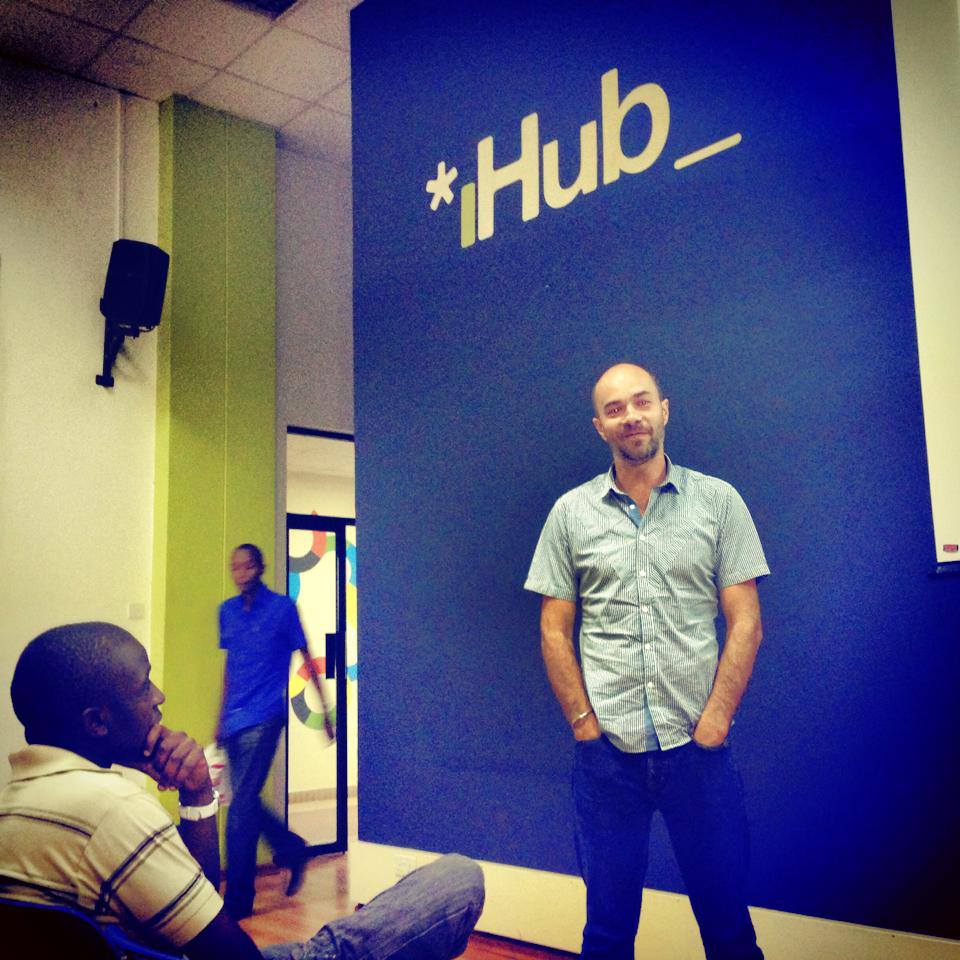
Carey Eaton at the iHub, a regular
(As much as I’m sad, I’m also angry about his murder. This type of violence only happens because of an endemic corruption in the gov’t (That’s from President Kenyatta to the Nairobi Governor and down), a ridiculously low-paid police force, and a basic “shrug your shoulders” culture of tolerance for crime at all levels. But, this isn’t the time to go deep into that, it’s a time to remember Carey for who he was.)
]]>Yesterday I read about the Berkshire Hathaway “strategy of trust”:
Mr. Munger, 90, was ruminating on the state of corporate governance, offering a counternarrative to the distrustful culture of most businesses: Instead of filling your ranks with lawyers and compliance people, he argued, hire people that you actually trust and let them do their job.
It’s well worth a read, and I didn’t expect to find parity in leadership philosophy between us and a 300,000-person family of organizations.
How do we do it?
There are probably other organizations like ours, ones who have decided to trust their team and assume that people make good decisions based out of the best intentions of the organization and their colleagues, over themselves. We didn’t set out with a great body of knowledge on how to do this, but instead with some theories that we’ve refined over time. Here are the most important ones:
Find the Right People
David, Juliana and I particularly don’t like to micromanage. We’ll work with you to define the goal, but if you expect someone to tell you how to get there, you won’t fit. We don’t check up on you all the time, you tell us when there’s a snag. You need to work autonomously. We’ll help, and are always there for a conversation, but your job is to get from point A to point B.
It’s always better to find people who are smart and get things done, who can work autonomously and tend to not put themselves first. Big egos don’t go well with this kind of team, so we look for humility when interviewing.
I remember making a mistake back in 2009, hiring someone off of reputation and resume, without really digging into their portfolio or doing multiple interviews. Ever since then I’ve refused to look at CVs or resumes and each new person goes through about 4-5 other people on the team before we make the final decision. Those other people on the team catch things I wouldn’t, some about skill, but most about ethos and personality.
Knowing the Ethos
If an emergency happens where you are, can you make a decision and run with it, without having to ask permission? You should be able to. This is especially important in an organization with a globally distributed team that deals with crisis and disaster. We decided that everyone should be able to make critical decisions about deployments of the software, partnerships and strategic steps on their own. Just fill everyone else in on it as it comes up and if adjustments need to be made, then we do it together.
To make this work, we had to ensure that everyone on the team, from junior engineers to new QA staff actually understood the foundational elements of the organization. Not just what we built, but why we built it, how it all started and where we were going in the future. While there’s no “intro to X” classes, we do throw you in the deep end early on. It started with our first hire, Henry Addo from Ghana, who found himself speaking in the French Senate in Paris in his first month on the job. That made us realize that public speaking forces you to learn a lot more about the organization that you’re in, quickly.
Our goal is that a camera and mic can be put in front of any team member and they can answer any question on the organization. The way they answer it might be different than me due to speaking styles, but because they understand the ethos of the organizations, it is still correct.
Per Diems
We don’t do per diems. You’re traveling for the organization, spend what you need on food, lodging and transport. Be responsible about it, since this is money needed for the organization to grow. If you’re in NYC, we know things are more expensive, if you’re in Omaha we know they’re not. The “Agency Effect” (or Principal Agent Problem) comes into play here as the incentives are wrong between a team member and the organization if they get an allowance for travel.
Final Thoughts
I suppose what I’m saying is that if you truly trust people to act like the adults they are and to do the right thing, they generally do. All the corporate oversight you can apply won’t stop an Enron from happening, so something else has to work. It has to be something that’s real though, people can sniff out very quickly if it’s a manufactured, or fake, trust. This means as much of the onus lies on the leaders to “let go” as it does for the team members to shoulder and own the expectations that come with their role.
My greatest takeaway from the Mr. Munger and Mr. Buffett was found in the last paragraph:
Mr. Munger, in a previous annual meeting, contended that the best way to hold managers accountable is to make them eat their own cooking. Mr. Munger pointed to the late Columbia University philosophy professor, Charles Frankel, who believed “that systems are responsible in proportion to the degree in which the people making the decisions are living with the results of those decisions.” Mr. Munger cited the Romans, “where, if you build a bridge, you stood under the arch when the scaffolding was removed.”
We all need to stand under our own bridges more often, and I’m going to figure out how to make that happen in my organizations.
]]>BRCK Excursion: Mt. Suswa from WhiteAfrican on Vimeo.
We took a day ride out past the Ngong Hills into the Rift Valley and up Mt. Suswa. Here’s a (very) short video where were playing with a DJI Phantom 1 and a GoPro to do some flyovers of the vehicles. We went with 4 motorcycles (2 KLR 650s, 1 Suzuki DR650, and a BMW 650GS Dakar), plus a Landrover Defender 90. A good grouping of bikes and a backup vehicle, and a day with some fun dirt riding. The rocky road up to the top of Mt. Suswa is a lot of fun, and I was glad there had been rain the day before in order to reduce the dust.
The Masai live on Suswa, and though it looks bleak and unforgiving from down below, once you get to the top there is a lot of nice land for grazing and for growing crops. There’s also an extensive network of large lava caves. We explored through a few of them with our guide Jermiah (pictured below).
For this picture, we’re standing in the “Baboon Parliament”, a huge entrance to a cave, with it’s own skylight. The baboons live above, and they congregate, play and have meetings in the area where we are standing. It smells horribly, as all of the beautiful colors on the rock are from baboon urine, and all of the dirt below is baboon crap. If you go further inside, there’s a bat colony.
Here’s the BRCK sitting on the top rock in the baboon parliament’s cave.
We came back by the satellite dishes in the valley, through Mai Mahiu and up the Lower Road. Luckily we didn’t get any rain, though we did have to contest with cars deciding to come towards us on Waiyaki Way, when there was a jam going the other direction. It’s quite a shock to face oncoming traffic when you’re on a road with a wall between you and the other lanes…
]]>Say you are a Kenyan web designer living in Seattle, do you think anyone cares that you came from Kenya? No, they only care that you are a great web designer.
If you’re an American programmer working in Nairobi, does anyone care that you come from the US? Yes, for some reason that matters. You’re judged on where you come from as well as your skill set.
It’s not apples-to-apples, though it should be.

This is at the heart of an issue that I’ve seen played out many times over the years in Kenya. My position in the community, my background in Kenya and the US, and the organizations I’ve built locally give me a unique perspective on what’s going on here culturally, that sometimes is hard for others to see.
Americans, Europeans, etc want to work in Kenya and be part of a growing melting pot of engineers, web designer and entrepreneurs trying to build out the next great tech economy. It’s a grand dream, and one that we should all support if we want Kenya to be on the global map.
Kenyans are madly building companies, growing a new breed of programmers, designers and entrepreneurs that are waking up to the reality of a global market. It embodies all of the energetic vibrancy that makes Kenya a regional economic powerhouse.
Both are needed. However, all things are not created equal, which leads to tension.
Kenyan tech has global competition, so act like it
I often talk about the Kenyan tech scene as highly active, yet nascent. There is a great deal happening in our space, but it’s not nearly as big as other larger and older tech communities found in the Bay Area, London, Berlin, Israel, Moscow, Bangalore or New York City. We’re growing, we’re half-way up the mountain, and there’s still some climbing to do.
There is likely the same percentage of top level engineers and designers in Nairobi as anywhere else, but the pool is still small. I’d guess the total pool of engineers is somewhere in the 3,000-5,000 range, and designers are only about 100-200. It’s not a deep pool to pick from, and there are many who linger around the edges claiming that they have skills, but who aren’t qualified to do more than create a “hello world” website.
In the startup world, Kenyan-led companies tend to be under-resourced and without the same networks that make it so much easier for expats to get started. While we’ve been building up more and more base resources locally for seed capital, and the business acumen of the founders is improving due to them being in town, it’s still not enough. And, while the $25k accelerator level is very much present in the community, there’s a huge gap in the $100-500k investment levels.
So, with local entrepreneurs, this leads to a protectionist mentality about how many mzungu’s are around and how they are sucking up resources. It’s not a good place to be. What we need to realize locally is that in the tech world there are very few borders, that we’re automatically in a global playing field. There needs to be lighter rules for immigration of expats (from anywhere) who are willing to bring investment and talent into the country, and keep it here.
If anything, Kenyan lawmakers should be finding ways to reduce the ludicrous tax rates on software companies, which would incentivize local ownership, encourage local investment so that the companies that do well have their profits stay in-country, and try to attract international talent and grow local talent. It’s a long-term game, and will pay off in the years ahead.
US/EU immigrants need to understand where they are
On the other side of the fence are the international expats who enter into Kenya. They are often well-meaning folks with a desire to build a company, or be part of a company in this vibrant country brimming with opportunity. This should be encouraged.
What I’ve observed over the years however, is something that shouldn’t be encouraged. These immigrants who come into Kenya tend to hang out with each other. This isn’t strange at all, Kenyans tend to do the same when they’re in the US. What’s not healthy is when you spend most of the time around people who look and sound like you, then when you want something from the rest of the greater community, act like it’s not there because it’s not directly in front of you.
There are some amazing programmers in Kenya, some ridiculously good web designers, some top-notch entrepreneurs. You will not find them by throwing a dart in a room and hoping to hit one.
Complain all you like about immigration policy, the need for more high-level talent being brought into the country, business taxes, etc – and I’ll be right with you. You complain about there not being any local high-level talent and I’ll call BS.
Instead, get out and get to know people. Get outside of your expat bubble and be a part of the community. This isn’t just meetups, this is who you go grab a drink with, who’s wedding and hospitalization you attend, who you watch rugby with and who you help (and are helped by) when in a bind. This is Kenya, where relationships matter, and where they are earned over time. Friendships here aren’t given lightly, and when they’re given, then they mean something.
To many in Kenya, the expats come and go, so why should they be invested in? Sure, make “friends”, and see what can come out of it, but the problem is that we all know the expat will be gone in 2 or 4 years. The deep investment we expect out of our relationships in Kenya isn’t found in that kind of transient immigrant mentality.
A personal final recap
Back to the talent issue. I’ve had the honor to work with some amazing Kenyan programmers, designers and engineers. How was I able to find them? It turns out that the relationships that I started building back in 2006 (8 years ago), then continued throughout the years, opened my world up to the people who really know what they’re doing. I courted some for 3+ years before they finally joined my team(s), others that I’d like to join my team still won’t budge from their old positions.
Right now I’m looking high and low for an electrical engineer for BRCK, senior-level EEs who have telcoms and/or consumer electronics backgrounds aren’t in deep supply in Kenya. However, I know they’re here, I just have to look harder and keep pushing out beyond my normal network.
They’re here. They’re not easy to find and they might already have a great job. Your lack of being able to find them doesn’t mean they’re not here. Your inability to attract them to your organization isn’t their problem, it’s yours.
]]>
There and Back from BRCK on Vimeo.
It seems that Northern Kenya likes me so much that it doesn’t want to let me go… This time, we only got back a day and a half later than expected. It took us 7 days, and we had an amazing adventure with a host of challenges thrown our way, overcome by teamwork, courage and tenacity, with the help of old and new friends met along the way.
I wrote about our adventure along the way on the BRCK Blog, you can find the posts here:
Day 1 – A change of vehicles was in order
Day 2 – Dust and Mud
Day 3 – Night Riders
Day 4 – Setting up for the solar eclipse
Day 4 – The Hybrid Solar Eclipse
Day 5 & 6 – Many roads and no progress
Day 7 – Home again!
Instagram pictures #BRCKeclipse
Flickr pictures
Crowdmap (pictures on a map)
It used to be called the NFD
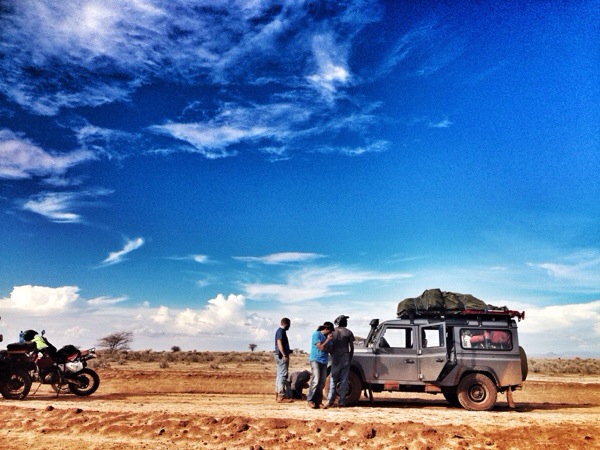
Back in colonial times, the the areas north of Isiolo were called the Northern Frontier District (NFD), a land that was part of Kenya but far enough removed to be considered the “wild west” of the country. It still is today. When you talk to people who live there, they talk about going to visit Kenya, which means that they come down country to the big population centers.
I was 17 years old when I first traveled up north, it was on a motorcycle with 8 others from my school and a backup Landcruiser. We were on our way back home when we stopped in a dusty old town called Maralal for a cup of chai and a samosa break. In walks a tall, rangy old Brit, who promptly sat down with us and started regaling us with his tales of travels. This was none other than the last of the great African explorers, Wilfred Thesiger, in his final years. He had made all of his travels via horse and camel, and thought that the combustion engine was the devil’s handiwork. A few awkward moments later, us boys sidled over to our 2-wheeled combustion engines and rode off to the south.
The North of Kenya is still a land apart. It’s arid and dry most of the time, while people and towns are far apart and hard to get to. Fuel and water are in short supply and high demand, and there is unrest between the different ethnic groups, as well as visiting shifta (bandits) from Ethiopia and Somalia who stir things up a bit more. There is beauty and freedom in it, but also hostility and danger.
Our trip to see the eclipse
“It is good to have an end to journey toward; but it is the journey that matters, in the end.”
– Ernest Hemingway
As I mentioned in my last post, the BRCK team decided to test out our device in this environment, with the excuse of the hybrid solar eclipse as our focal event. We took 3 motorcycles and a Land Rover for this excursion on a 1900 kilometer round trip, 7-day trek to Sibiloi National Park, and back. Here’s the basic route we took:
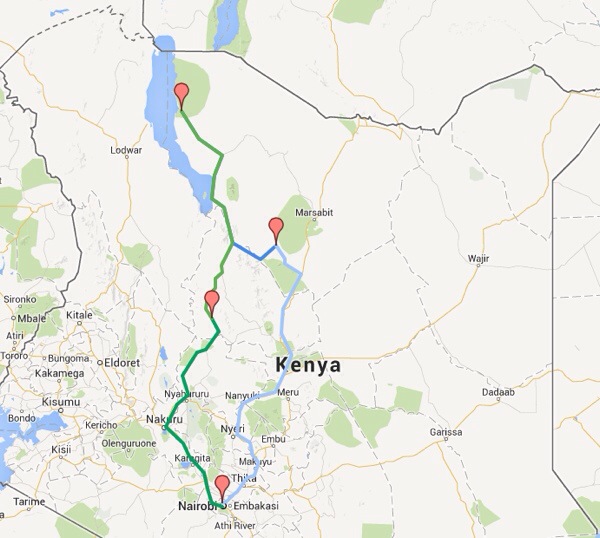
This trip was a real test for all of us. From a broken down Land Rover on day one, to night drives and dust storms that meant we couldn’t see the actual eclipse, to limping into Nairobi with a flashlight replacing a headlamp and a dead alternator on the Land Rover to cap it all off.
Three Lessons I Learned
Work together. Helping each other selflessly makes for a happy bunch who can overcome almost any problem. Not just helping for one’s own well-being, but simply because something needs to be done and it’s good for the group as a whole.
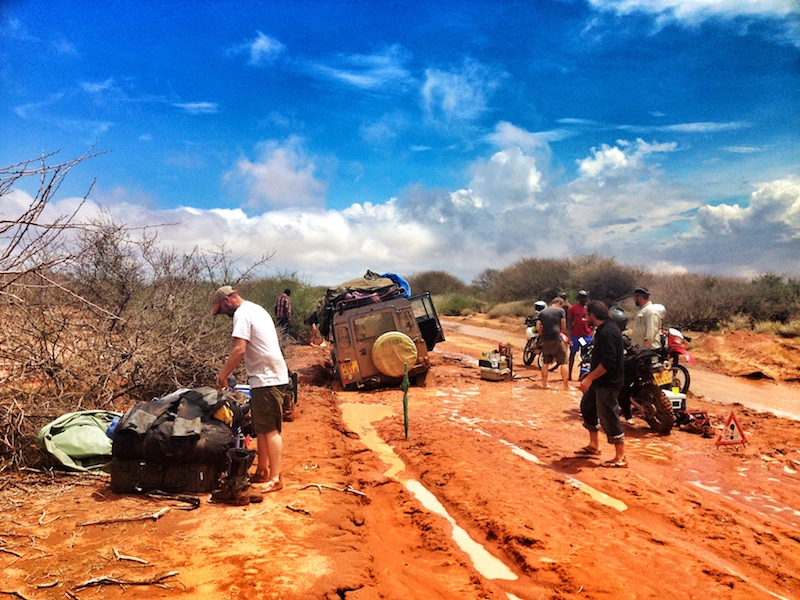
It took all of us to unstick the Land Rover
When hands were needed to dig out the Land Rover, people stripped down to shorts and dug – for hours. I remember how hard Reg and Jon worked to unstick our vehicle, buried to the waste in mud and muck, trying to get the high-lift jack to find purchase. I remember Fady jumping on a motorcycle and learning to ride it in 5 minutes, so that he could ride the next 4 hours in the bush, in the dark, to get us all to Sibiloi. I remember Emmanuel packing, unpacking and repacking the vehicle so many times that only he knew where things were. I remember having to tell Philip to step away from the heavy equipment so that he didn’t damage his hand more as he tried to assist.
Think creatively. Push harder. When you meet friction and resistance to your mission, it’s easy to give up. Instead, think creatively and persevere. There’s a great deal of friction in everything up north, from bogged down vehicles, to broken clutch plates, to making a special solar eclipse camera out of odd parts, to dust storms that darken out the sun.

Last night on the ride home, we had already been traveling for over 12 hours, and the headlight on my motorcycle went out. The last place that you want to be driving at night is the Naivasha to Nairobi road without a light. We pulled apart the headlight, tested all the electronics, only to find the bulb was burnt out. Instead of giving up, we found a super intensity flashlight in Fady’s kit, and put it inside the bulb housing. It was like driving with your brights on at all times. This became my light, and I closely followed our car into Nairobi. You can’t give up and you have to be creative.
Always get back up. Life throws some punches, everyone has them and it’s a test of your character whether you let that stop you or you find a way.

Falling off a motorcycle is hard. Getting up and riding again is harder. Philip took a few tumbles this trip, especially on day two as we did a 3 hour night ride through soft sand – which is some of the most difficult stuff to deal with even in daylight. I knew we had a good leader on our team when he kept getting back up. I knew we would make it when I saw his resolve settle visibly, he relaxed his shoulders and rode on and fell no more.
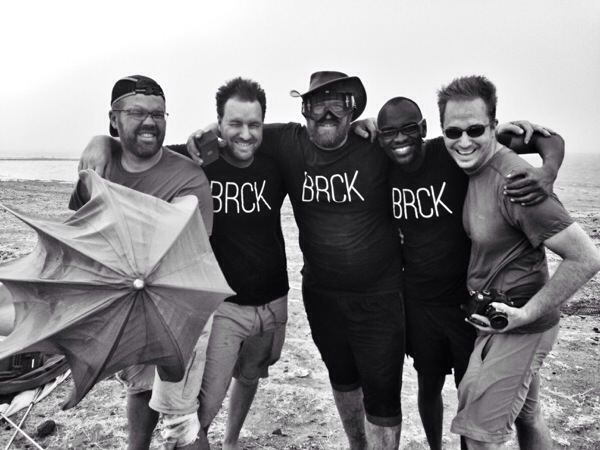
The BRCK team of Philip, Reg, Erik, Emmanuel and Jon.
Everyone has different strengths on this team, and while there are experts in specific things, when we worked together it was amazing to see the results.
]]>
BRCK Solar Eclipse trip, photo courtesy of Barak Bruerd on our last trip up to Northern Kenya
This week finds me heading back, chasing the moon that will cover the sun. November 3rd at 5:30pm (East Africa Time) there is a hybrid solar eclipse. The lunar-like desert setting on the edge of Lake Turkana is said to be the best place in the world to watch it.
This also happens to be one of the most difficult places to get to, as fuel and supplies are a difficult thing to come by for the final 1000 kilometer loop. You have to bring it with you. It’s an unforgiving place, and yet one of the most hauntingly untouched and beautiful stretches of Africa that you can still find.
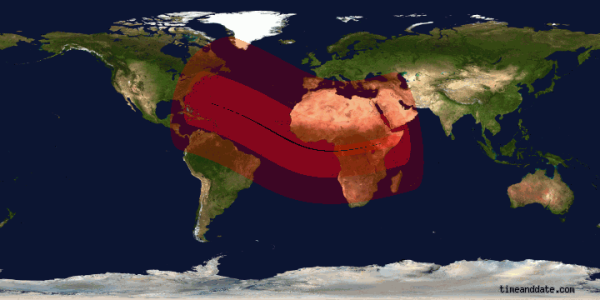
Solar Eclipse Path, Nov 3, 2013
Though one never needs an excuse to have an adventure, the BRCK team is using this trip to stress test the device. We have a number of things planned, covering ruggedness and heat to testing out an amplification antenna with it. With luck, we’ll even have a VSat connection in hand, and test out WiFi via satellite internet backhaul and stream the eclipse live. You’ll be able to watch that at BRCK.com/eclipse.
[update: Huge thanks to Indigo Telecom for loaning us a BGAN terminal and 50Mb of data!]
Seven of us are trekking up to this iron triangle; where Sudan, Ethiopia and Kenya meet. We’re taking three 650cc motorcycles and a Land Rover 110. Two happen to be professional photographers, two others are highly talented amateur photographers, and I’m going as the hack iPhonographer. 
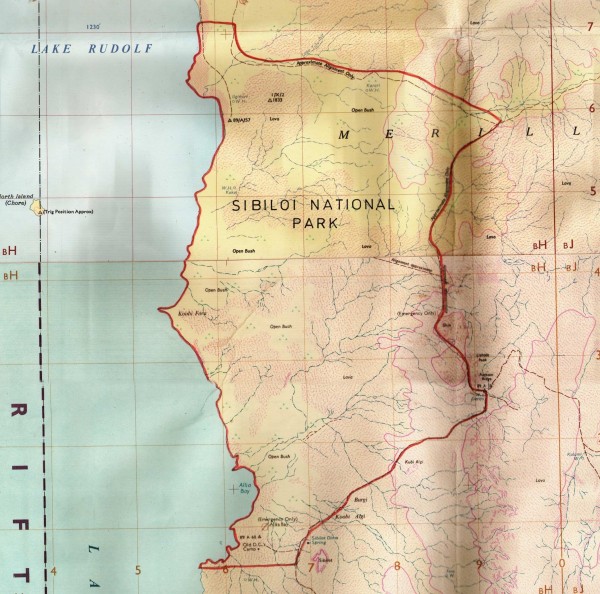
Sibiloi National Park, by Lake Turkana in Northern Kenya
Our destination is Sibiloi National Park (KWS site), possibly the least visited and most unknown park in Kenya. It’s a good few hours drive north of Loyangalani, which I’m curious to see after the past few years. As far as I can tell, there is really no reason to ever go there, well, except for an eclipse…
I’ll be blogging our adventures here, as well as with others on the BRCK Blog. You can follow the images and livestream at brck.com/eclipse.
[Note: It should go without saying, but I won’t be answering many emails…]
]]>Too many wrongly characterize the debate as “security versus privacy.” The real choice is liberty versus control.
This is the loss of freedom we face when our privacy is taken from us. This is life in former East Germany, or life in Saddam Hussein’s Iraq. And it’s our future as we allow an ever-intrusive eye into our personal, private lives.
Many think that this debate will just go away – it won’t. This is a BIG deal, one that I think is the biggest in our generation. Do not be quiet about this. Do not let tech multinationals and your government do this.
There are many more articles on this (these are just today’s), but here’s another by Glenn Greenwald at the Guardian on the US and UK defeating privacy and security on the internet.
]]>